|
< Home |
|
|
|
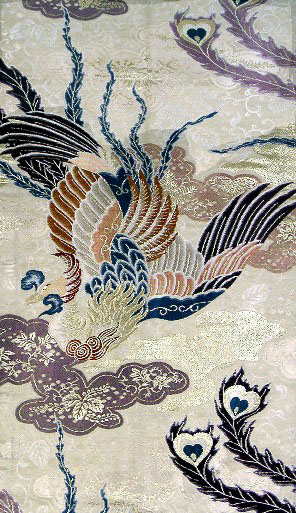
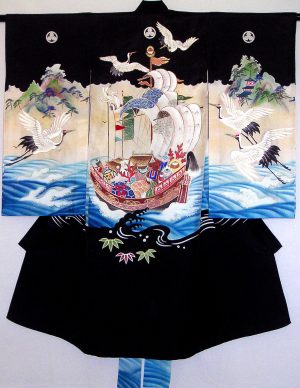
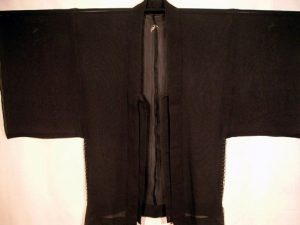
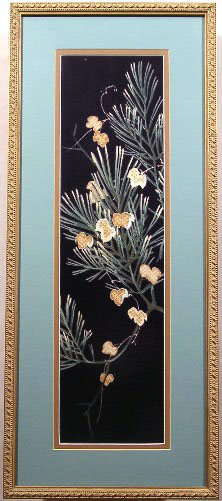
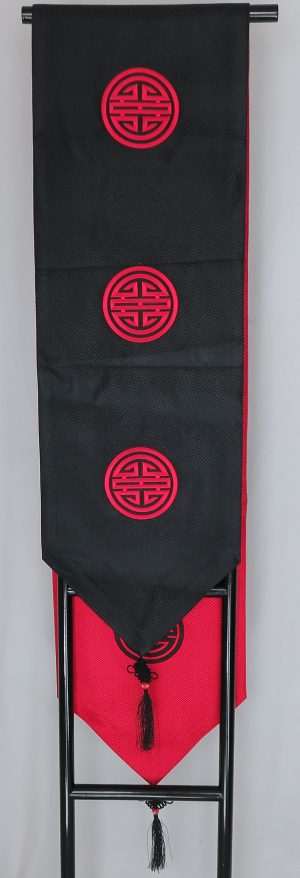
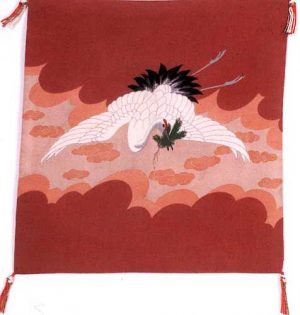
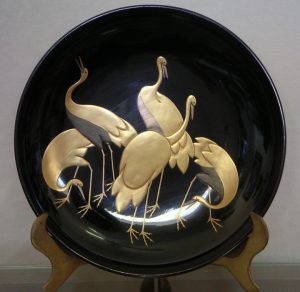
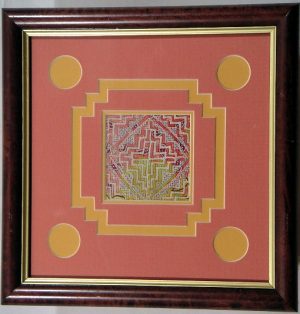
The Japanese Obi has developed over the centuries from modest beginnings. The Obi is a belt or sash, up to 15 feet long, tied around the waist. It was originally intended to shorten the kimono of the wearer. What was once a narrow tie has evolved into an expensive and intricate work of art, often times out pricing the kimono itself. The Maru Obi is the most formal and expensive of all the Obi as It has but one seam, meaning that the Obi was woven in one continuous panel before being folded over in such a way that the pattern was not lost in the fold. Each Obi, whether it is a Maru Obi, a Fukuro Obi, a Nagoya Obi, a Han Haba Obi or a Tied Obi has been hand woven of the finest silk. It has then either been hand painted or embroidered, usually incorporating pure liquid gold or hand made pure gold threads into a design that is important to the family who commissioned it, or the occasion for which it was to be worn. The results are exquisite. On the very finest pieces, the signature of the artist is included. In Japan, Obi are passed down as family heirlooms from generation to generation and are considered part of the wealth of the family. As a result, quality Obi are exceedingly rare. (click on individual pictures for more information: all are Maru Obi unless otherwise noted)) |
|
||